 Business License

Your Spirit is Premium. Does Your Bottle Feel Like It?
Key Takeaways:
The "Heft" Factor: A heavier glass base (the "punt") subconsciously signals a higher quality product to the consumer before they even taste it.
Clarity is King: Using "super flint" or "extra flint" glass, which has lower iron content, results in a crystal-clear bottle that showcases the spirit's true color without a greenish tint.
The Sound of Quality: The type of closure—a natural cork, a synthetic stopper, or a ground glass stopper—creates a distinct sound and feel upon opening that is integral to the brand experience.
Subtle Design Sells: Small details like embossed logos or unique shoulder curves are more effective for brand recognition than loud, generic designs.
When we consult with emerging distilleries or beverage brands, the conversation often starts with the liquid. But the second, and equally important, conversation is about the vessel. You've spent years perfecting your gin, whiskey, or liqueur. The bottle is its first handshake with the customer. Does it have a firm, confident grip?
Research has consistently shown that packaging has a profound impact on consumer perception of quality. A 2018 study published in the journal Foods confirmed that packaging cues like color, shape, and material significantly influence consumer expectations and purchase decisions. For spirits, the bottle is the marketing. It’s what sits on the bar shelf, catching the light and the customer's eye.
Why Does the Weight of the Bottle Matter?
The answer is perception. A thick, heavy glass base gives a bottle a low center of gravity and a substantial feel in the hand. This "heft" is a tactile cue that consumers instinctively associate with luxury and value. It feels important. It feels expensive.
Think about it from a production standpoint. Creating a bottle with a heavy, solid base requires more raw material and a more controlled molding process. It is inherently more costly to produce. While a standard, thin-bottomed bottle is perfectly functional for holding liquid, it doesn't convey that same sense of permanence and quality. We often advise clients that investing an extra fraction of a dollar in glass weight can justify several extra dollars on the retail price.
Is "Crystal Clear" a Real Metric? Understanding Glass Clarity
Yes, it is. The standard glass used for food and beverage is soda-lime glass, which naturally has a slight greenish or bluish tint due to iron oxides in the raw materials. For water bottles or beer bottles, this is unnoticeable. For a premium spirit where color is a key feature (like a golden whiskey or a clear gin), this tint can be detrimental.
This is where different grades of "flint" glass come in:
Standard Flint: The common, slightly tinted glass.
Super Flint / Extra Flint: A higher grade of glass with very low iron content. The result is near-perfect clarity, allowing the spirit's natural color to shine through without distortion.
When a brand wants to communicate purity and quality, choosing super flint glass is one of the most effective, albeit subtle, ways to do it. A manufacturing partner like KINGSTAR GLASS can provide samples of different flint grades to demonstrate the visual difference firsthand.
The Unboxing Experience: What Does Your Bottle's Opening Sound Like?
The customer's interaction doesn't end on the shelf. The moment of opening is a critical sensory touchpoint. The sound and feel of removing the stopper are part of your brand's ritual.
Natural Cork: Provides that classic, satisfying "pop." It evokes tradition and craftsmanship but requires a perfect bottle neck dimension to ensure a proper seal.
Synthetic Cork: Offers a consistent seal and avoids the risk of "cork taint," but can sometimes feel less premium.
Glass Stopper: Often ground to fit the specific bottle neck, a glass-on-glass closure provides a sophisticated, smooth opening and a definitive, high-end look. It’s a statement of permanence.
Discussing the closure type is a key part of our design consultation process. It's about matching the tactile experience with the brand's identity—be it rustic and traditional or modern and sleek.
FAQ:
What is the typical cost for creating a custom bottle mold?A new mold is a significant investment, often ranging from a few thousand to tens of thousands of dollars, depending on complexity. However, many experienced suppliers have a portfolio of existing "stock" molds that can be customized with embossing or debossing for a fraction of the cost, offering a semi-custom solution.
What is a realistic Minimum Order Quantity (MOQ) for custom glass bottles?MOQs are determined by the production run efficiency of a glass furnace. For a fully custom bottle, it's typically in the tens of thousands of units. This is a crucial factor for startups and small brands to consider. Working with a supplier like KINGSTAR GLASS can sometimes provide access to smaller runs or existing bottle shapes to lower this initial barrier.
How long does the process take from design to delivery?Patience is key. A typical timeline for a custom bottle is 4-6 months. This includes design finalization (2-4 weeks), mold creation (4-6 weeks), sample production and approval (3-4 weeks), mass production (4-6 weeks), and shipping (4-8 weeks). Planning far in advance is essential.
Recently Posted
-
Why Double Wall Glass Cups Are Gaining Popularity Worldwide
December 19, 2025In recent years, double wall glass cups have become a rising trend in both households and commercial spaces worldwide. From coffee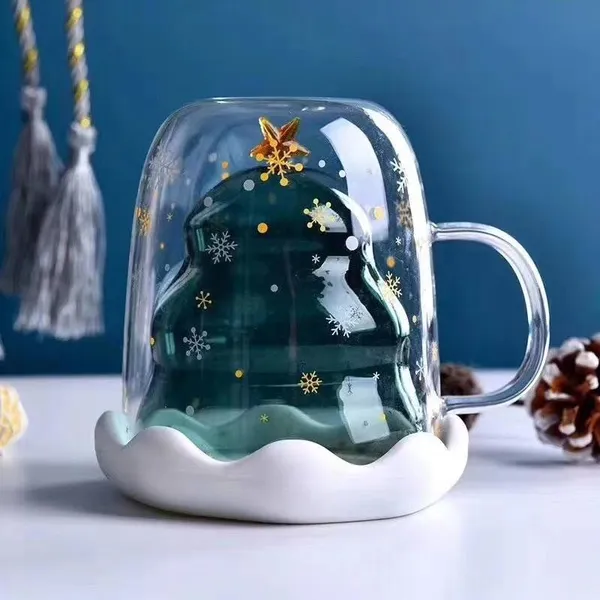 Read More
 -
Glass Storage Jars: The Perfect Balance of Functionality and Sustainability
December 19, 2025In today’s fast-changing world, consumers are looking for products that combine practicality with sustainability. Among household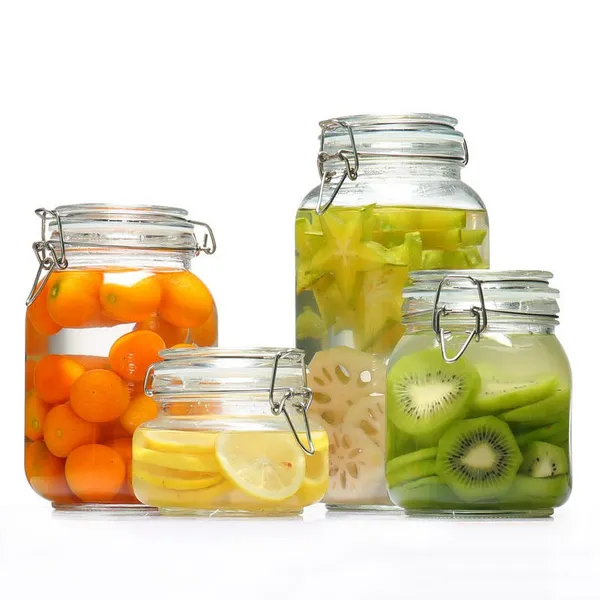 Read More
 -
Why Your B2B Tea Ware Sales Are Stalling: The Hidden Engineering Behind a Perfect Pour
December 19, 2025I recently had a conversation with a distributor in London who was frustrated that their premium tea sets were sitting in the ware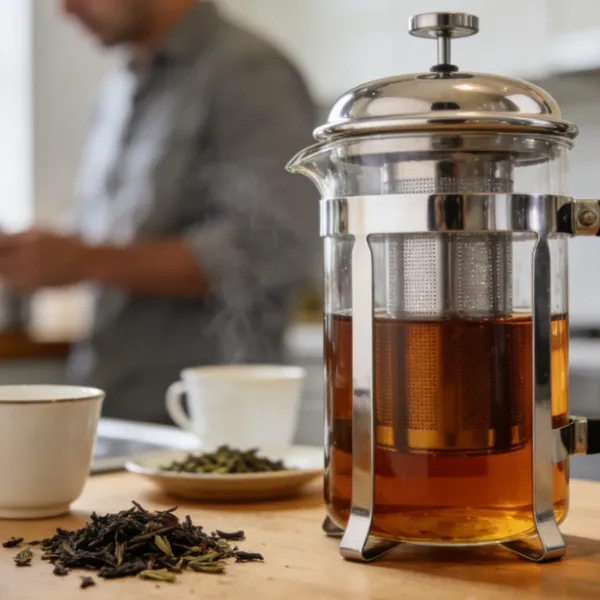 Read More
 -
The Borosilicate Glass Spice Jar: The Small Upgrade That Transforms Your Entire Cooking Routine
December 14, 2025There’s a hidden frustration in most kitchens: the spice drawer where half the jars are cloudy plastic, labels have peeled off, an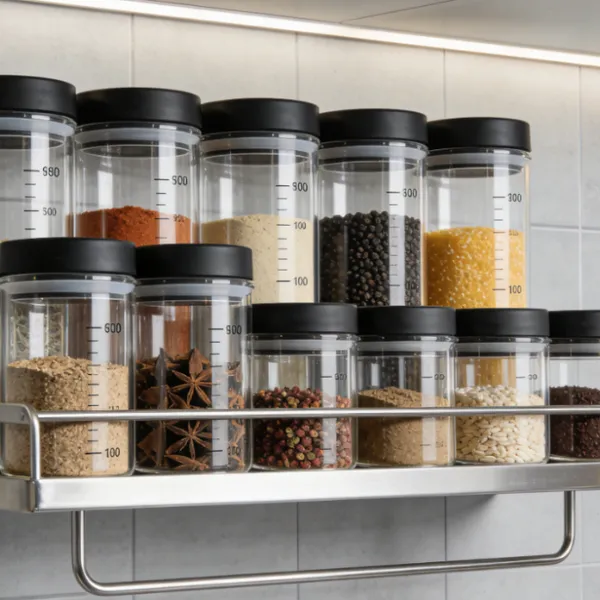 Read More